
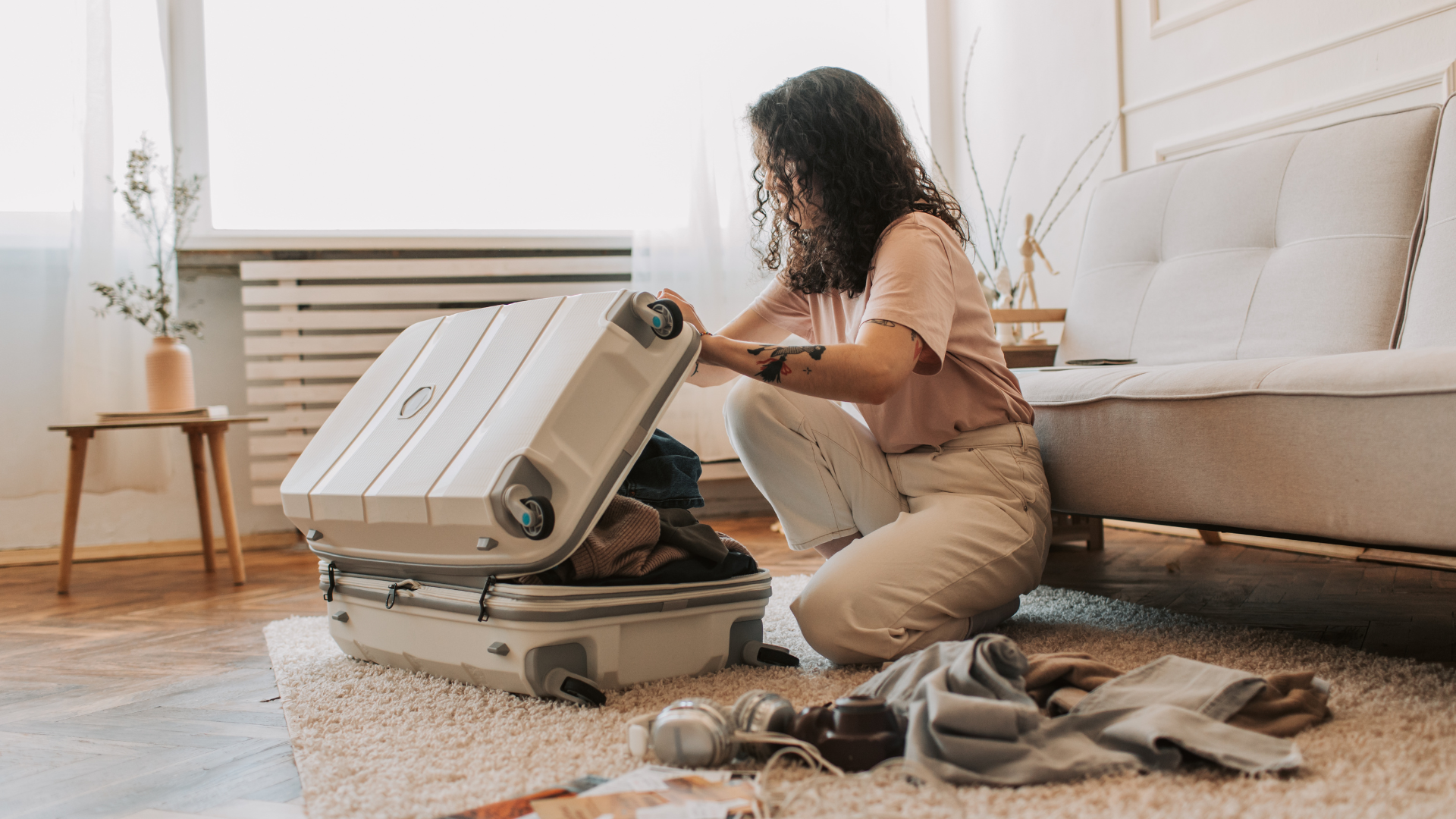
Packing efficiently for a long trip can significantly enhance the travel experience. Creating a well-thought-out packing list and utilizing smart packing techniques can help maximize space and minimize stress. By considering the destination, activities planned, and duration of the trip, travelers can better determine what to bring, ensuring they are well-prepared without overpacking.
The key to effective packing lies in organization. Rolling clothes instead of folding, or packing cubes, and choosing versatile outfits can save space and keep items easily accessible. Additionally, prioritizing essentials while leaving non-essentials behind can lead to a more enjoyable journey, allowing travelers to focus on the experiences rather than the baggage.
Ultimately, learning to pack efficiently can transform how one approaches travel. It empowers individuals to travel lightly while still being prepared for various situations. Embracing these strategies can turn packing from a chore into a streamlined process that complements a rewarding travel adventure.
Choosing the Right Luggage and Travel Gear
Selecting appropriate luggage and travel gear is crucial for efficient packing on a long trip. The right choices can make a significant difference in convenience and comfort during the journey.
Selecting the Best Luggage for a Long Trip
When choosing luggage, consider durability and capacity. Hard-shell suitcases provide robust protection for fragile items, while soft-sided luggage is typically lighter and easier to fit into tight spaces. Look for expandable options that offer extra space if needed.
Weight is also important; lightweight luggage can help avoid excess baggage fees. Wheels and handles are essential for mobility, especially in airports. Opt for spinner wheels for easy maneuvering. Finally, consider luggage with organizational pockets to hold essentials like travel documents and toiletries.
Comparing Carry-On, Backpack, and Checked Bags
Travelers often choose between a carry-on, backpack, or checked bag. A carry-on suitcase is ideal for short trips or as a supplementary bag. It fits in overhead compartments, allowing quick access to essentials during flights.
A travel backpack offers flexibility and portability, suitable for those who may walk or hike with luggage. Backpacks can be packed efficiently and are often designed for easy organization.
Checked bags are advantageous for longer trips, allowing more packing space. Ensure that checked luggage meets airline size limits and consider weight when packing. Each option has its benefits; the choice depends on travel style and destination.
Essential Travel Gear for Efficient Packing
In addition to luggage, specific travel gear enhances packing efficiency. Use packing cubes or compression bags to save space and keep items organized. Compression bags can significantly reduce clothing bulk.
Travel organizers for electronics help keep chargers and cables untangled. A good tote bag can serve as an extra carry-on or day bag.
Moreover, include a toiletry bag to separate personal items from clothing. Quality travel gear streamlines packing and retrieval, ensuring a smooth travel experience.
Planning What to Pack
Effective packing starts with careful planning. An organized approach helps ensure all essential items are included without overpacking.
Creating an Effective Packing List
A packing list serves as a crucial tool for managing what to take. It helps prevent forgetting important items.
Essential categories to include:
- Clothing: Include travel pants, a swimsuit, and versatile outfits.
- Footwear: Identify travel shoes and walking shoes suited for the trip.
- Toiletries: List necessary toiletries like sunscreen and a first aid kit.
- Electronics: Don’t forget a portable charger and noise-canceling earbuds.
Using a packing checklist can streamline this process. Review it multiple times before departure to confirm nothing is overlooked.
Selecting Clothing and Footwear
Clothing should be chosen based on the trip’s duration and activities. Versatile pieces can be mixed and matched.
- Travel pants: Comfortable and suitable for various settings.
- Layering options: A light jacket and a few T-shirts can adapt to changes in weather.
- Swimsuits and flip flops: Essential for beach trips or poolside relaxation.
Footwear is critical; travel shoes should be comfortable yet stylish while walking shoes are essential for exploring. Prioritize comfort and durability when selecting these items.
Organizing Toiletries and Personal Items
Toiletries need careful selection to maintain convenience without excess weight.
- Small containers: Use travel-sized bottles for items like shampoo and conditioner.
- First aid kit: Essential for addressing minor injuries or ailments on the trip.
A reusable water bottle is practical and eco-friendly. Noise-cancelling earbuds help enhance travel comfort.
Storing personal items in a designated bag keeps essentials easily accessible. Prioritize organization to facilitate smooth travel transitions.
Efficient Packing Techniques and Space Optimization
Efficient packing methods can significantly enhance space utilization and ease of travel. By incorporating specialized tools and thoughtful strategies, travelers can minimize bulk and pack effectively for long trips.
Using Packing Cubes and Compression Bags
Packing cubes and compression bags are essential for maximizing suitcase space. Packing cubes come in various sizes, allowing for an organized grouping of clothing. For instance, one cube may contain shirts while another holds pants, making it easy to locate items.
Compression bags remove excess air, reducing the volume of bulky clothing like sweaters. By using these techniques, travelers can increase packing efficiency, fitting more into their luggage without sacrificing organization.
Tips for using packing cubes:
- Sort clothing by type or outfit.
- Use smaller cubes for accessories or undergarments.
Benefits of compression bags:
- Perfect for seasonal clothing.
- Helps keep clothes wrinkle-free.
Layering and Capsule Wardrobe Strategies
Layering is a vital clothing strategy that promotes versatility. A capsule wardrobe consists of a limited number of interchangeable clothing pieces. This approach often features neutral colors and versatile pieces that can be mixed and matched.
When planning outfits, focus on materials like merino wool, noted for its wrinkle resistance and ability to regulate temperature. By doing so, travelers can create multiple looks with fewer items.
Essential items for a capsule wardrobe include:
- Basic tees and long-sleeve shirts.
- One or two pairs of versatile pants.
Layering tips:
- Start with a base layer for warmth.
- Add a lightweight jacket that can be used as an outer layer.
Preventing Overpacking and Packing Light
Preventing overpacking is key to a stress-free travel experience. An effective method is to create a list before packing. Travelers should prioritize essential items and avoid packing “just in case” items.
Using a checklist helps ensure only necessary clothing and gear are included. This strategy promotes packing light, making it easier to carry luggage and avoid extra fees.
Additional tips for packing light:
- Limit shoes to two pairs.
- Choose wrinkle-resistant fabrics for easy maintenance.
By focusing on essentials, travelers can optimize space and enjoy hassle-free journeys.
Smart Tips for Long-Term Travel Packing
Efficient packing for a long trip involves strategic choices regarding clothing maintenance, climate adaptability, and souvenir management. These tips will help streamline the packing process and ensure travelers are well-prepared.
Maintaining Clothing and Laundry on the Road
Travelers should prioritize lightweight and quick-drying fabrics. When selecting clothing, options like merino wool or synthetic blends can be effective for maintaining freshness over time.
Using laundry detergent sheets simplifies laundry tasks. They take up minimal space and are easy to use in any sink or laundromat. Including a wrinkle-release spray can extend the life of clothing, keeping items looking presentable without the need for ironing.
Packing a microfiber towel assists with drying clothes and can double as a personal towel. These towels dry quickly, making them ideal for any travel scenario.
Packing for Changing Climates and Destinations
Travelers often encounter varied climates during long trips. Layering is essential. A lightweight, packable jacket can provide warmth without adding significant weight.
It’s prudent to include items that can transition between climates. For example, a pair of solid toiletries can maintain hygiene without taking excessive space.
Using packing cubes or compression bags also enhances organization. They allow travelers to separate clothing for different climates and make it easy to access specific items.
Managing Souvenirs and Extra Items
Souvenirs can accumulate quickly, so planning ahead is important. Designating a specific space in the luggage for these items can help manage space.
Travelers should consider lightweight and compact souvenirs. Items like postcards or small local crafts can be memorable without weighing down luggage.
It’s also wise to assess your belongings regularly. If something is no longer needed, it can be donated or discarded, making room for new items. Prioritizing space effectively prevents luggage from becoming unmanageable during the journey.