
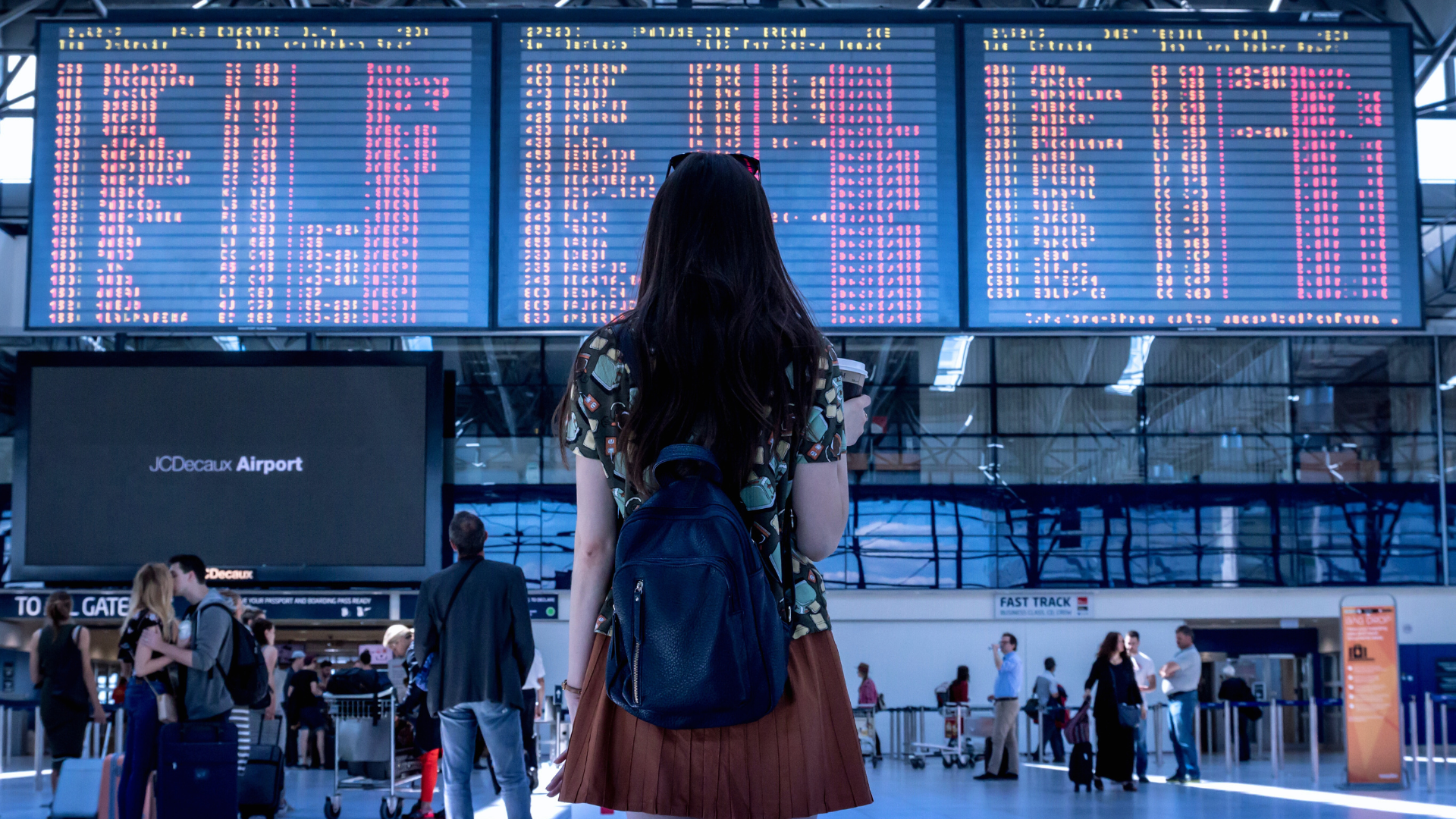
Preparing mentally for international travel is just as crucial as packing the right clothes and essentials. Traveling to new countries exposes individuals to unfamiliar cultures, languages, and situations that can be both exciting and overwhelming. To ease anxiety and enhance the travel experience, one should focus on mental preparation techniques such as setting realistic expectations, cultivating a flexible mindset, and practicing mindfulness.
Understanding the emotional landscape of travel is vital. Anticipating challenges, such as language barriers or cultural differences, allows travelers to approach their journey with a positive attitude. Visualization techniques can help in imagining successful travel scenarios, making one feel more prepared and confident.
Traveling can serve as a fantastic opportunity for personal growth. Engaging in self-reflection and establishing clear intentions for the trip can foster a deeper connection to the journey. By investing time in mental readiness, travelers can turn potential stressors into enriching experiences.
Essential Mental Preparation Steps for International Travel
Preparing mentally for international travel is crucial for a smooth experience. Understanding emotions, setting realistic expectations, and fostering a travel mindset can significantly impact one’s journey.
Recognizing and Managing Pre-Trip Emotions
Traveling abroad, especially for the first time, can evoke a range of emotions. Excitement, anxiety, and even fear are common as the departure date approaches.
It’s essential to acknowledge these feelings. Instead of suppressing anxiety, it can help to write down specific worries. Identifying them makes managing them easier.
Practicing relaxation techniques, such as deep breathing or mindfulness, can also alleviate pre-trip stress. These methods enable travelers to stay grounded. Acknowledging emotions and utilizing coping strategies will lead to a more balanced travel experience.
Setting Realistic Expectations for Traveling Abroad
Misconceptions about international travel can lead to disappointment. Unrealistic expectations might arise from social media or travel blogs portraying an idealized version of destinations.
Travelers should research their destination’s culture, customs, and potential challenges. Understanding that no trip is flawless will help calibrate expectations.
Creating a flexible itinerary can also alleviate pressure. Embracing spontaneity while leaving room for adjustments can enhance the experience. Recognizing that unexpected events may occur prepares travelers for any surprises during their journey.
Building a Travel Mindset and Coping with Uncertainty
Developing a travel mindset is vital for adapting to new environments. Embracing the idea of culture shock, particularly when in unfamiliar situations, can ease the transition.
Travelers can cultivate openness by engaging with locals and learning about their lifestyles. This approach fosters a sense of connection, which can mitigate feelings of isolation.
To cope with uncertainty, it may help to develop problem-solving skills. Practicing adaptability, such as taking alternate routes or deciding on the spot, builds confidence. Staying flexible ensures a more enjoyable experience, regardless of unforeseen circumstances.
Organizing Travel Documents and Practical Preparations
Proper organization of travel documents and practical preparations is essential for smooth international travel. Ensuring all required documents are in order and understanding specific visa requirements can greatly reduce stress.
Gathering Required Travel Documents
Travelers must begin by collecting essential documents. A passport is crucial; it should be valid for at least six months beyond the intended return date.
They should also consider obtaining copies of important documents. This includes passports, identification, and any travel itineraries. Keeping both physical and digital copies can provide an extra layer of security.
Additional documents, such as vaccination records, may be needed depending on the destination. Some countries also require specific health certifications, particularly in light of recent global health developments.
Understanding Visa Requirements and Applications
Visa requirements vary significantly by country. Some travelers may need to apply for a visa well in advance of their departure date.
It is important to research specific visa types and conditions for each country. Many nations offer online applications, which simplifies the process.
Each visa can have unique stipulations, such as duration of stay and restrictions on work or study. Travelers must ensure they meet these requirements before making any plans.
Securing Travel Insurance and Medical Records
Travel insurance is an important aspect of preparation. It can cover unexpected medical expenses, trip cancellations, and lost belongings.
Travelers should choose a policy that fits their needs and thoroughly review coverage details. Some plans may require proof of medical history, so carrying medical records is advisable.
Additionally, travelers should consider possible vaccinations recommended or required for their destination. Consulting a healthcare provider can provide valuable guidance on which vaccinations are necessary for safe travel.
Planning Logistics and Financial Readiness
Preparing adequately for international travel involves meticulous planning regarding logistics and financial matters. Addressing these aspects ensures a smoother journey, allowing for a focus on the experience ahead.
Creating a Comprehensive Travel Checklist
A travel checklist is essential for staying organized. It helps ensure that nothing important is forgotten. This list can include:
- Travel Documents: Passport, visa, ID.
- Health Essentials: Vaccinations, medications, insurance cards.
- Electronics: Chargers, adapters, devices.
- Clothing: Weather-appropriate attire, comfortable shoes.
- Personal Items: Toiletries, books, travel pillow.
Starting the checklist well before departure can alleviate last-minute stress. As items are packed, checking them off promotes confidence and readiness.
Budgeting for Your Trip Abroad
Creating a realistic budget is vital. Travelers should break down costs into categories such as:
- Accommodation: Hotels, hostels, rentals.
- Transportation: Flights, local transit, car rentals.
- Meals: Dining out, groceries.
- Activities: Entrance fees, tours, experiences.
Using tools like spreadsheets can help track estimated versus actual expenses. Include a contingency fund for unexpected costs—aim for at least 10-15% of the total budget.
Booking Accommodation and Transportation
Choosing the right accommodation is crucial for comfort and convenience. Consider various options like hotels, hostels, or vacation rentals. Websites like Airbnb or Booking.com can help compare prices and amenities.
When it comes to transportation, early booking often yields better rates. Options include:
- Flights: Use fare comparison sites for the best prices.
- Local Transit: Research public transport options.
- Rental Cars: Compare rates and check for insurance.
Confirm bookings and retain all confirmation emails for easy access during the trip.
Financial Tools and Currency Tips
Managing finances abroad requires preparation. Travelers should consider the following financial tools:
- Travel Credit Cards: Opt for cards with no foreign transaction fees.
- Currency Exchange: Research exchange rates and avoid airport kiosks for better rates.
- Mobile Payment Apps: Use apps like Wise for easy conversions and transfers.
Before leaving, inform the bank of travel plans to prevent card freezes. Carry a mix of cash and cards to cover various scenarios, ensuring a smooth financial experience abroad.
Promoting Well-Being and Staying Connected Abroad
Maintaining mental well-being while traveling internationally is crucial. Preparing for potential challenges can enhance the travel experience. Staying connected with loved ones and managing mental health can make a significant difference.
Caring for Your Mental Health While Traveling
Traveling can bring excitement but also stress. Setting aside time for self-care is essential. Practicing mindfulness techniques, such as meditation or journaling, can help in managing anxiety. Regular exercise, even short walks, contributes positively to mental health.
Travelers should also ensure they maintain a balanced diet. Eating nutritious meals helps sustain energy levels. Keeping a consistent sleep schedule can further enhance overall well-being.
Establishing a routine, even in new environments, allows for a sense of normalcy. Small, familiar habits can provide comfort amid changes.
Overcoming Culture Shock and Social Challenges
Culture shock can occur when someone encounters unfamiliar customs or social norms. Being aware of this phenomenon can aid in adjusting quickly. Researching cultural practices beforehand can ease transitions.
Engaging with locals and immersing in the environment fosters connection. Trying local food, attending social events, or participating in workshops can encourage interaction.
Travelers may face language barriers. Learning basic phrases in the local language can facilitate communication. It also shows respect for the local culture, which can enhance experiences.
Staying Connected with Home and Accessing Support
Maintaining contact with family and friends is vital during international travel. Using a VPN ensures secure connections when using public Wi-Fi. This step protects personal information while accessing social media or communication apps.
Local SIM cards can also provide reliable phone service, allowing for easy communication. Keeping a list of local emergency contacts is beneficial. Having access to mental health resources in the destination country can offer support when needed.
Regular check-ins with loved ones support emotional well-being. Sharing experiences can combat feelings of loneliness and enhance the travel experience.
Packing Smart for Peace of Mind
Proper organization can alleviate stress during travel. Using packing cubes helps keep belongings organized and easily accessible. This method simplifies packing and unpacking, promoting a smoother travel experience.
Including a travel first-aid kit can provide reassurance. Basic supplies, such as pain relievers and antiseptics, ensure travelers are prepared for minor mishaps.
Bringing items that promote relaxation, such as books or travel-sized games, can help during downtime. These activities can provide comfort and distraction in unfamiliar settings.
Preparation plays a critical role in ensuring a positive travel experience. Prioritizing mental well-being after planning creates a foundation for enjoyable adventures.