
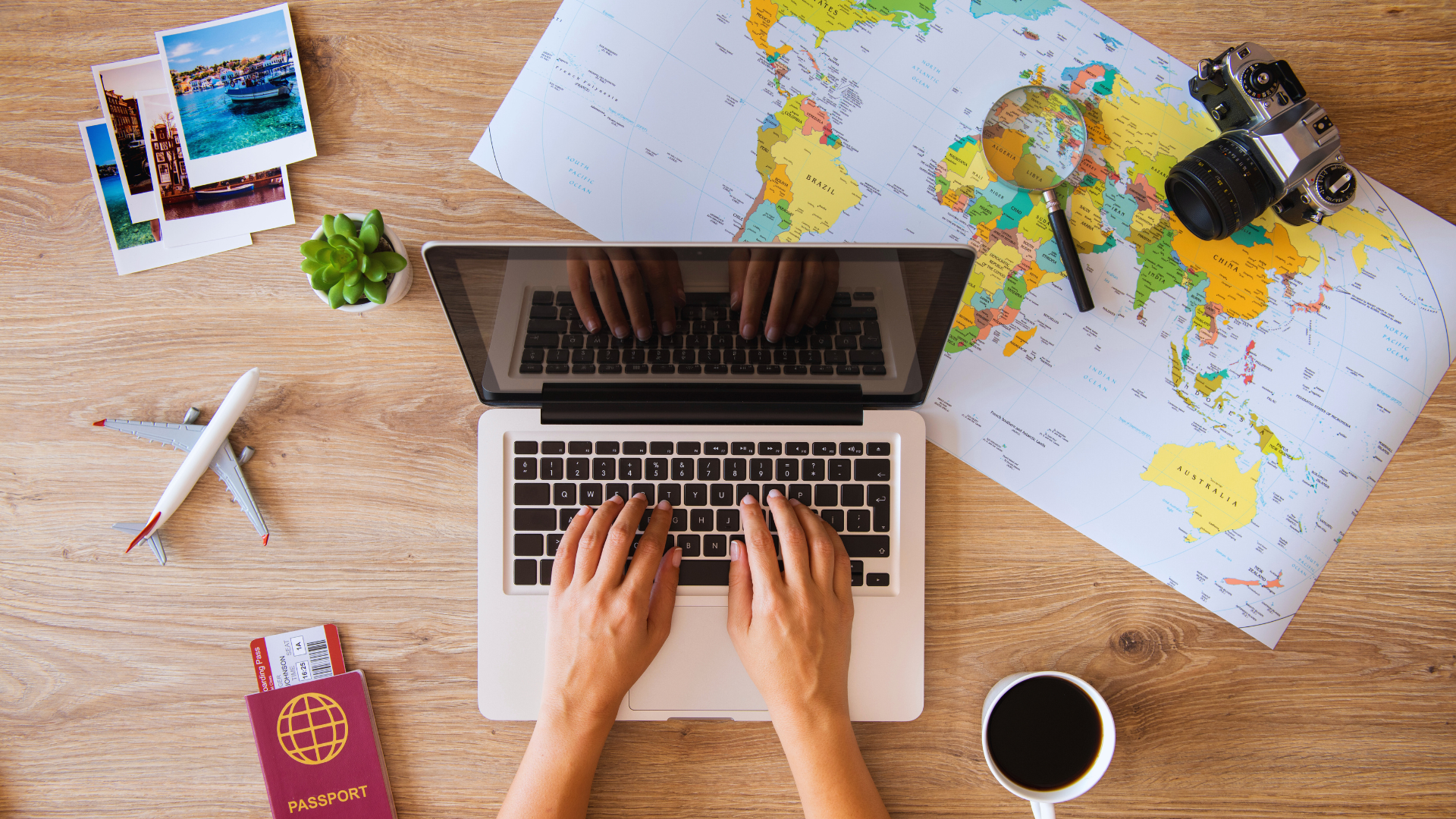
Planning a unique trip can often feel overwhelming, especially with numerous options and details to consider. To simplify the process, one can break it down into manageable steps and prioritize creativity over stress. By focusing on personal interests and keeping an open mind, it’s possible to craft an experience that feels both special and achievable.
Research becomes essential, as it allows for the exploration of unconventional destinations and activities. Engaging with locals or seeking out authentic experiences can enhance the journey significantly. Embracing flexibility during the planning phase also fosters a sense of adventure, making the trip more enjoyable.
Efficiency plays a crucial role in this process. Utilizing tools and resources, such as travel apps or itinerary planners, can streamline logistics and reduce anxiety. By setting clear goals and timelines, the planning experience transforms from a source of frustration into an exciting prelude to the adventure ahead.
Mastering the Mindset for Unique Travel Planning
Planning a unique trip requires a clear mindset and a readiness to embrace new experiences. By focusing on intentions, comfort zones, and flexibility, travelers can unlock unforgettable adventures.
Setting Travel Intentions and Priorities
Setting clear travel intentions helps clarify why a trip is being planned. Is it for adventure, relaxation, cultural immersion, or a mix of these? Defining this purpose provides direction.
Prioritization becomes essential. Travelers should list activities and experiences they value, distinguishing between must-dos and nice-to-haves. This makes decision-making easier and ensures meaningful experiences.
Creating a travel vision board can serve as an inspiration tool. Images, quotes, and notes related to desired experiences help maintain focus on goals and prioritize options that align with the travel intentions.
Stepping Out of Your Comfort Zone
Unique travel often necessitates venturing beyond familiar territories. Stepping out of a comfort zone opens doors to new experiences.
Travelers can begin small, such as trying a new food or engaging with locals. Gradually increasing challenges, like booking accommodations in less popular areas or exploring off-the-beaten-path destinations, encourage growth.
Courage is key. A willingness to take risks can lead to unexpected and rewarding adventures. Consider participating in local traditions or activities that may feel daunting, as these often provide the most memorable moments.
Embracing Spontaneity and Flexibility
Being spontaneous allows travelers to seize unexpected opportunities. Flight delays, chance encounters, or recommendations from locals can lead to unique experiences that a pre-planned itinerary might miss.
Establishing a flexible schedule encourages exploration. Allocating free time within the travel plan can result in discovering hidden gems or engaging in activities not previously considered.
A flexible mindset translates to fewer worries about plans not going accordingly. This adaptability often leads to the most enjoyable and enriching travel experiences. Embrace the unpredictability and let it guide the journey.
Discovering and Researching Extraordinary Destinations
To plan unique trips, discovering distinctive and lesser-known destinations is essential. This process involves finding hidden gems, leveraging local insights, and incorporating unique experiences that enhance the journey.
Finding Hidden Gems and Offbeat Locations
Hidden gems often lie off the beaten path, offering travelers unique opportunities. She can explore lesser-known towns, rural retreats, or quirky attractions.
Researching through travel blogs, niche websites, and social media can yield exceptional finds. Websites like Atlas Obscura or niche travel forums can lead to extraordinary spots. Engaging with locals can provide recommendations that aren’t in guidebooks.
Consider the following:
- Local Markets: Discovering quaint markets for local crafts.
- Scenic Overlooks: Finding stunning viewpoints with fewer tourists.
- Historical Sites: Visiting small museums or historical homes that tell unique stories.
These uncharted destinations can transform a trip into a memorable adventure.
Leveraging Local Insights and Travel Communities
Local insights often yield the best travel experiences. Travelers should tap into local guides or participate in travel communities to gain a deeper understanding of an area.
Social media platforms like Instagram, Facebook groups, and Reddit can connect travelers with locals who share their favorite spots. Engaging in conversations or asking for tips can uncover unique recommendations.
Joining travel communities helps in:
- Crafting Personalized Itineraries: Based on local favorites.
- Finding Events: Discovering festivals or local happenings.
- Getting Advice: Learning about customs or navigating cultural nuances.
Using these resources bridges the gap between traditional travel and authentic experiences.
Incorporating Unique Experiences into Your Itinerary
To elevate a trip, including unique experiences is vital. Activities like local cooking classes, art workshops, or adventure sports can provide memorable highlights.
Travelers should prioritize experiences that resonate with their interests. Unique offerings can range from hot air balloon rides in Cappadocia to antique shopping in a hidden Parisian alley.
When planning, consider:
- Timing: Some experiences may require advanced booking.
- Costs: Assess the budget to ensure a diverse range of activities.
- Cultural Significance: Choose experiences that respect and celebrate local traditions.
Incorporating these activities ensures the trip is distinctive and enriching.
Effortless Logistics Without the Stress
Planning trips can quickly turn chaotic, but with streamlined logistics, managing accommodations becomes simpler. By effectively selecting where to stay and using the right booking strategies, travelers can focus on enjoying their trip.
Accommodation Selection: Hotels, Hostels, and More
Choosing the right accommodation is essential for a successful trip. Hotels offer various amenities and services, ideal for travelers seeking comfort and convenience. For those on a budget, hostels provide shared spaces and lower rates, fostering a social atmosphere.
Consider alternatives such as vacation rentals or guesthouses, which can offer unique experiences and often more room for families or groups. Researching options online allows travelers to compare prices, read reviews, and find accommodations that fit their preferences and budget.
Smart Hotel Booking Strategies
Timing is crucial when booking hotels. To secure the best rates, travelers should book several weeks in advance. Utilizing price comparison websites can also reveal deals that save money.
Consider flexible date search features. If travel dates are adjustable, costs may drastically decline. Loyalty programs and credit card rewards can further enhance savings. They allow users to earn points toward free nights or upgrades, making future trips even more affordable.
Staying Organized with Digital Tools
Digital tools are indispensable for keeping trip logistics streamlined. Apps such as TripIt or Google Trips help consolidate travel itineraries in one place, reducing confusion. Travelers can input flight details, hotel reservations, and activities for easy reference.
Utilizing note-taking apps allows for quick access to essential information, like reservation numbers and check-in times. Using a shared document or a group chat can ensure that all travel companions are on the same page. This prevents last-minute changes and eliminates stress during the journey.
Maintaining Sanity and Enjoyment During Your Trip
Traveling can be exhilarating, but it can also introduce stressors that challenge one’s peace of mind. Employing practical strategies can enhance the trip experience, ensuring a balance between enjoyment and sanity.
Packing Light for Versatility and Ease
Packing efficiently can dramatically improve the travel experience. Travelers should aim to bring versatile clothing items that can be mixed and matched. This not only saves space but also allows for various outfit combinations, suitable for different activities and environments.
Key Tips for Packing Light:
- Choose a Color Palette: Select neutral colors that coordinate well.
- Use Packing Cubes: These keep items organized and easy to access.
- Limit Footwear: Bring only two pairs—one casual and one formal.
Light packing eliminates unnecessary stress during transit and allows more freedom in navigating different locations.
Coping With Challenges and Unexpected Changes
Unexpected changes are a part of traveling. When disruptions occur, maintaining composure is crucial. Preparing mentally for potential challenges can lessen their impact.
Coping Strategies:
- Stay Flexible: Plans should adapt rather than become rigid.
- Develop a Problem-Solving Mindset: Approach challenges with a solution-oriented attitude.
- Plan for Downtime: Incorporate breaks into the itinerary to manage stress levels.
By embracing flexibility, travelers can reduce anxiety related to unforeseen events, enabling a more enjoyable experience.
Balancing Exploration With Rest
A well-planned itinerary includes time for both exploration and relaxation. It is essential to avoid over-scheduling activities, which can lead to exhaustion.
Strategies for Balance:
- Set Daily Limits: Decide on a maximum number of activities each day.
- Incorporate Downtime: Designate specific times for rest, whether at a café or a park.
- Listen to the Body: Pay attention to tiredness and adjust activities accordingly.
Striking this balance fosters enjoyment and allows travelers to savor each moment without feeling overwhelmed.