
Choosing the right transport options can significantly reduce travel stress. By assessing factors like travel time, comfort, and convenience, travelers can select modes of transport that align with their preferences and needs. Understanding the available choices, from public transport to rideshares, helps in making informed decisions that enhance the travel experience.
Traveling can often become chaotic, with delays and logistics adding to anxiety. Identifying the best mode of transportation involves considering not only budget but also potential hassles that come with different options. Streamlining the process reduces uncertainty and contributes to a more enjoyable journey.
Consideration of personal habits and routines also plays a crucial role in transport selection. Whether prioritizing a quiet ride, scenic views, or direct routes, aligning transport options with individual preferences promotes a sense of control and relaxation while traveling.
Key Factors to Consider When Choosing Stress-Reducing Transport Options
Selecting the right transport options requires a careful evaluation of various factors. Understanding specific travel needs, convenience versus cost, and ensuring safety and comfort can significantly enhance the travel experience.
Understanding Your Travel Needs
Identifying specific travel needs is crucial in choosing transport options. Factors such as destination, trip duration, and the number of travelers influence decisions.
- Destination Accessibility: Some locations may have limited transport options. Assess public transport availability and connectivity.
- Travel Time: Consider the expected travel time for different options. Faster may not always be better if it leads to more stress.
- Group Size: Larger groups may require private transport or larger vehicles.
Understanding these elements helps streamline choices and reduce stress during travel.
Balancing Convenience, Cost, and Flexibility
When evaluating transport, finding a balance between convenience, cost, and flexibility is essential.
- Convenience: Options like ride-sharing or direct flights save time. However, they might come with higher costs.
- Cost: Budget constraints must be considered. Public transportation often provides economical alternatives.
- Flexibility: Look for options that allow changes to schedules without significant fees.
This balance ensures a smooth journey that meets both budgetary and comfort needs.
Assessing Safety and Comfort Levels
Safety and comfort greatly impact the travel experience. Assessing these factors can minimize anxiety during trips.
- Safety Ratings: Research safety ratings of transport providers. Some options, like established airlines or well-reviewed taxi services, tend to offer more reliability.
- Comfort Features: Evaluate features such as seating space, amenities, and onboard services. Comfortable seating can make long trips more enjoyable.
- Travel Companions: Consider the needs of others traveling with you. Families with children may prioritize different comfort aspects than solo travelers.
By evaluating safety and comfort, travelers can make informed decisions to optimize their experiences.
Comparing Common Modes of Transportation for Stress-Free Travel
Choosing the right mode of transportation can significantly impact travel stress. Each transportation option has its unique advantages and challenges, which are essential to consider for a more enjoyable experience.
Public Transportation: Buses, Trains, and Metro
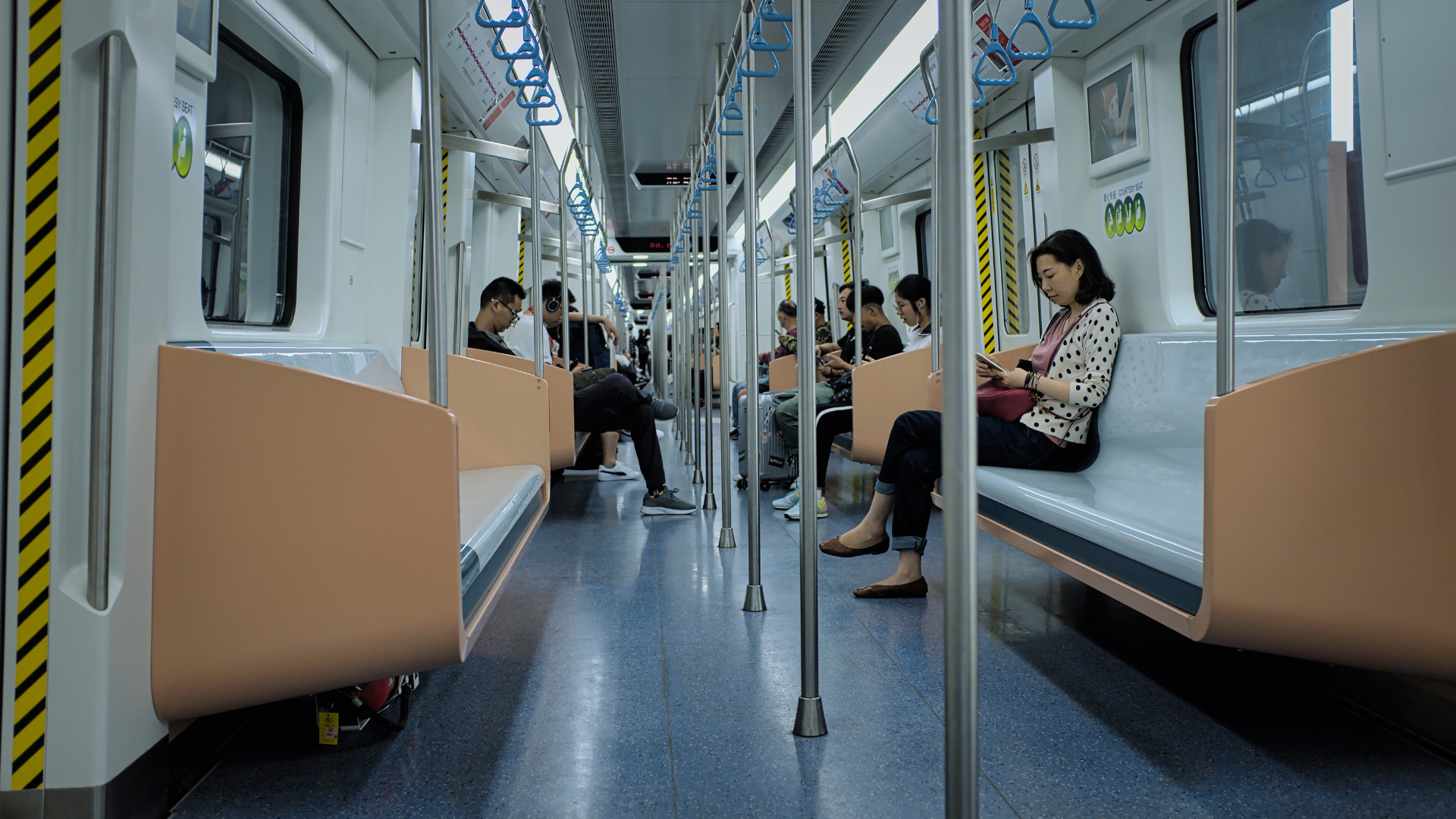
Public transportation offers a budget-friendly option for many travelers. Buses and trains often operate on fixed schedules, providing reliable travel times. The metro and subway systems in urban areas can bypass traffic, making them quicker alternatives during peak hours.
Travelers can enjoy the benefit of reduced stress by using public transport’s connectivity to various locations. Many cities now offer real-time tracking via apps, allowing passengers to plan their journeys effectively. On the downside, crowded vehicles can lead to discomfort during busy times.
Private Vehicles: Driving, Car Rentals, and Ride-Sharing
Driving a personal vehicle provides the flexibility to travel on one’s own schedule, reducing the stress of adhering to public transport timetables. Car rentals allow travelers to explore more remote areas that may not be accessible by public transport.
Ride-sharing services such as Uber and Lyft offer convenience and ease of use, with the added benefit of not having to navigate or park. However, traffic congestion can be a substantial source of travel stress for those who opt for private vehicles.
Active Options: Walking, Cycling, and E-Scooters
Active transportation methods like walking and cycling promote physical health while also reducing travel-related stress. Walking can be an enjoyable way to explore new environments at one’s own pace.
Cycling offers a faster option to cover more ground while still being environmentally friendly. E-scooters have gained popularity in urban areas as a quick, convenient mode of transport for short distances. Each of these options allows for personal interaction with the surroundings, which can greatly enhance the travel experience.
Boats, Ferries, and Water Transport
Water transport can present a unique and often scenic travel experience. Ferries provide access to islands and coastal cities, often avoiding land traffic entirely. These options can be particularly relaxing, offering beautiful views that enhance enjoyment.
Boats, including private charters and public ferries, allow travelers to access hard-to-reach destinations. However, travelers should consider potential weather-related delays and schedule limitations associated with water transport.
Tips for Minimizing Stress During Air and International Travel
Traveling can be daunting, especially during air and international trips. However, making thoughtful choices can significantly lessen stress levels.
Planning for Efficient Airport Transfers
Selecting the right airport transfer method is essential. Many airports offer various options, including airport shuttles, taxis, and ride-sharing services.
Considerations:
- Distance to the airport: Check how far the airport is from the origin.
- Travel time: Account for traffic patterns, especially during peak hours.
- Costs: Compare prices for different transport modes. Use apps to estimate fares.
Booking transfers in advance can reduce anxiety. Additionally, exploring public transportation might be beneficial for those traveling light. This can not only save money but also provide a more local experience.
Navigating Airport Security and Checkpoints
Navigating through airport security can be a primary stressor. To minimize delays, travelers can opt for services like TSA Precheck or Global Entry.
Preparation Tips:
- Check regulations: Review the TSA guidelines for carry-on items.
- Organize documents: Keep boarding passes and IDs handy.
Arriving at the airport early helps to avoid rush hour crowds. Travelers should also wear shoes that are easy to remove and limit the number of items in their bags. By knowing the layout of the airport in advance, travelers can conserve time and energy.
Maximizing Comfort on Flights and International Trips
Long flights can take a toll on comfort. Choosing the right seat and preparing for air travel can improve the experience.
Seat Selection Tips:
- Window vs. aisle: Choose based on personal preference for movement or views.
- Extra legroom: Consider upgrading to seats with more space if possible.
Packing essentials enhances comfort. Items like travel pillows, noise-canceling headphones, and snacks can significantly improve the trip. Staying hydrated is crucial, so travelers should drink water and avoid excessive caffeine or alcohol.
By addressing these aspects of air travel, individuals can navigate their journeys with greater ease and reduced stress.
Sustainable and Practical Choices for a Better Travel Experience
Travel can be more enjoyable and less stressful when individuals opt for sustainable and practical transportation methods. By considering the environmental impact and managing responsibilities, travelers can significantly enhance their overall experience.
Reducing Your Carbon Footprint
Choosing modes of transportation with lower carbon footprints can make a substantial difference. Some eco-friendly options include:
- Bicycles: No fuel consumption, minimal maintenance.
- Public Transport: Buses and trains efficiently carry many passengers, reducing per-person emissions.
- Carpooling: Shared rides decrease the number of vehicles on the road, lowering congestion and emissions.
Travelers should think about the fuel types as well. Electric vehicles, for instance, generate lower emissions than traditional gasoline-powered cars. Making informed decisions can lead to a healthier planet and enhance travel enjoyment.
Weighing Maintenance, Insurance, and Other Responsibilities
Every mode of transportation carries different responsibilities. Comparing these aspects will help travelers choose effectively.
Considerations include:
- Maintenance: Bicycles require basic upkeep, while personal vehicles need regular service checks.
- Insurance: Costs vary widely. Public transport does not involve personal insurance, but drivers must insure their vehicles.
- Flexibility: Public transport schedules can be limiting, while owning a vehicle offers convenience but entails maintenance costs.
Travelers should evaluate their comfort levels and priorities in maintenance and responsibility before selecting the right mode. This assessment can alleviate stress and foster a smoother journey.