
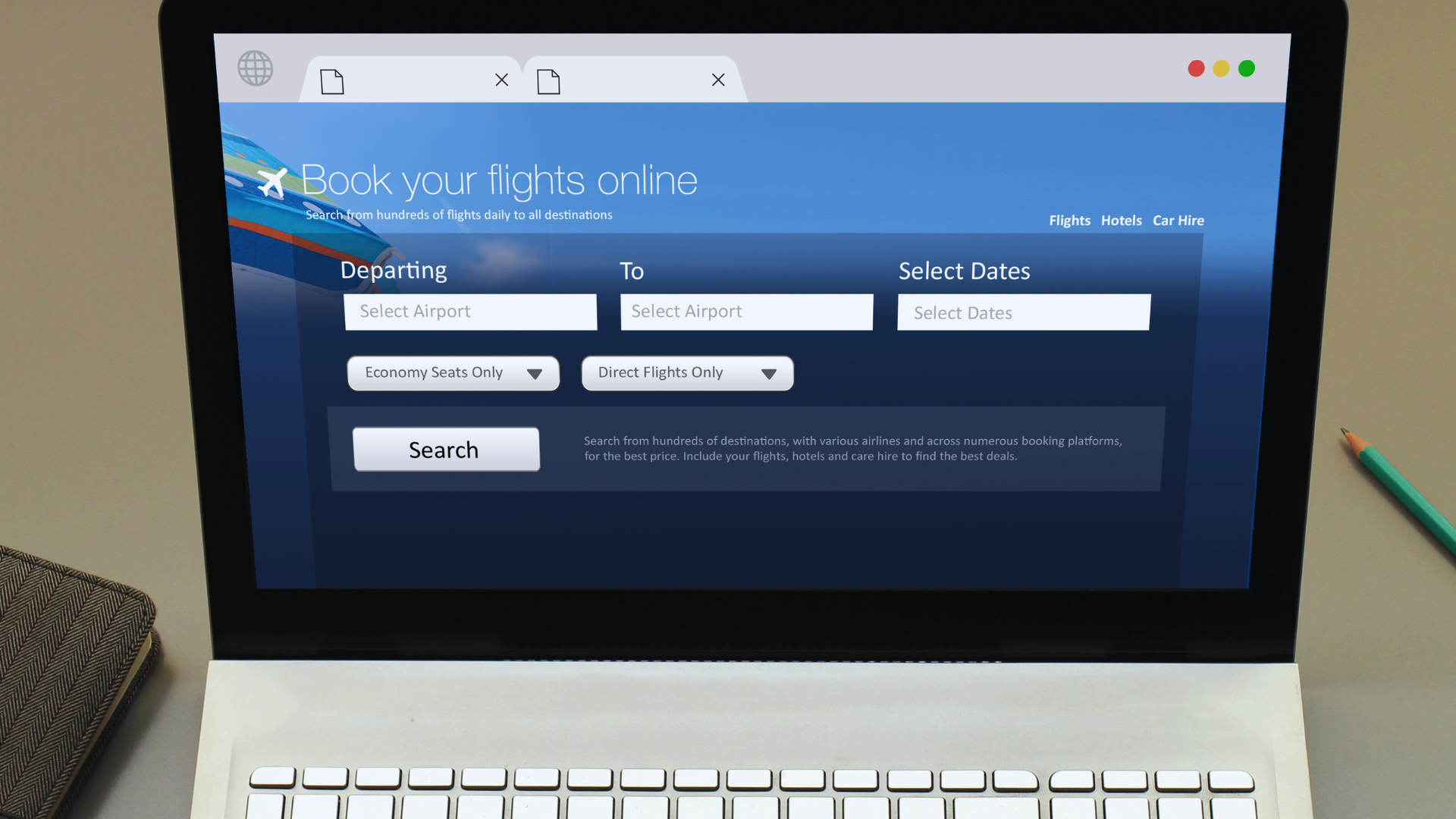
Finding the right flight can often feel like an overwhelming task, particularly with so many options available. To simplify the process, travelers can employ a few effective strategies that streamline their bookings and reduce stress. By setting clear parameters such as budget and travel dates, individuals can significantly narrow down their choices and make more informed decisions.
Researching various airlines and using flight comparison tools can further ease the process. These tools allow travelers to view multiple options at a glance, enabling them to quickly identify the best deals. A proactive approach, such as subscribing to fare alerts, can also ensure that they don’t miss out on significant savings.
Lastly, booking directly through an airline’s website can provide clarity, as it often offers better policies regarding cancellations and changes. Keeping these strategies in mind will help make booking flights a more straightforward and less daunting experience.
Identifying Stress Triggers When Booking Flights
Booking flights can trigger various stress responses. Identifying these triggers is crucial for a smoother experience during the trip planning process. Understanding common causes can help manage expectations and reduce anxiety.
Common Causes of Overwhelm
Many individuals feel overwhelmed by the sheer number of options available when booking airline tickets. Factors like countless websites, varying prices, and competing schedules can lead to decision fatigue.
Additionally, unexpected fees or requirements, such as baggage allowances or seat selection charges, can create frustration. Information overload is common, as websites often bombard users with advertisements and comparisons that complicate the decision-making process.
To mitigate this, creating a list of priorities can provide clarity and focus. Identifying essential factors, such as budget or travel dates, makes it easier to narrow down choices and reduces feelings of being overwhelmed.
Realistic Expectations vs. Perfection
Expectations can significantly influence how one feels during the flight booking process. Many travelers seek the lowest price and the perfect itinerary, setting up an unrealistic scenario that often leads to disappointment.
Perfectionism can exacerbate stress, prompting individuals to endlessly search for the best deal. It’s essential to recognize that even minor compromises can enhance the travel experience. Setting realistic goals, like choosing a convenient flight over the cheapest option, can lead to greater satisfaction.
Adopting a mindset of acceptance rather than perfection can help alleviate pressure. Accepting that not every detail can be flawless allows travelers to enjoy the process rather than stress over shortcomings.
How Trip Complexity Influences Your Experience
Trip complexity plays a significant role in the stress levels associated with booking flights. Multi-stop itineraries or combining various airlines can create confusion and anxiety for travelers.
Each additional layer—layovers, multiple destinations, or varying travel times—compounds decision-making challenges. Understanding the interconnections between different legs of a trip is vital for avoiding overwhelming feelings.
To ease the process, utilizing flight booking tips such as online tools that streamline search criteria can help manage complexity. Simplifying travel plans, when possible, can result in a less stressful experience, allowing travelers to focus more on the journey ahead.
Simplifying Your Flight Search
Finding the right flight can be simplified by knowing which tools and strategies to use. By leveraging technology and specific platforms, travelers can efficiently identify the best options without feeling overwhelmed.
Choosing the Right Flight Booking Platforms
Several platforms streamline the flight booking process. Popular websites like Skyscanner, Google Flights, and Kayak allow users to compare fares across multiple airlines swiftly.
Each platform offers unique advantages:
- Skyscanner excels in finding cheap flights with flexible searches.
- Google Flights is known for its user-friendly interface and powerful filtering options.
- Kayak provides a range of travel search tools, including hotel and car rental bookings.
Selecting the right platform depends on individual needs, including preferred payment methods and the type of itinerary required, whether direct flights or connecting options.
Leveraging Price Alerts and Flexible Dates
Setting up price alerts is a valuable tactic for budget-conscious travelers. Many booking platforms, such as Google Flights and Skyscanner, allow users to create notifications for specific routes. This can help track fare changes and identify when prices drop.
Flexibility with travel dates also plays a significant role in cost savings. By adjusting departure and return dates by a few days, travelers might discover lower fares.
It’s advisable to consider traveling during off-peak times, which often results in cheaper flights. Utilizing these strategies can significantly reduce travel expenses.
Comparing Direct, Connecting, and Low-Cost Options
Understanding the differences between direct, connecting, and low-cost flights is essential for effective planning.
- Direct flights often save time but can be pricier.
- Connecting flights may offer lower fares, especially with budget airlines or low-cost carriers. However, they can add travel time and potential inconvenience.
When considering low-cost airlines, pay attention to additional fees. These carriers can provide significant savings, but charges for baggage and seat selection can add up quickly.
Travelers should weigh these factors against their priorities—time versus cost—to make an informed decision.
Streamlining the Booking Process
Efficient flight bookings can relieve stress. By focusing on key strategies, travelers can simplify their experience and find the best options available.
Selecting Airports and Navigating Multi-Airport Cities
When traveling to cities with multiple airports, it is essential to compare options. Nearby airports may offer different price ranges and flight times. For instance, flying into or out of smaller airports can sometimes yield cheaper plane tickets.
Travelers should check the distance between airports and their final destinations. Having to transfer between airports can add time to a trip. Tools like airport comparison websites can help in assessing these choices effectively.
Creating a simple checklist can aid in narrowing options:
- Airport options: Identify primary and secondary airports.
- Distance to destination: Consider transportation time.
- Flight availability: Look for direct flights where possible.
Navigating International and Long-Haul Flights
Booking international and long-haul flights requires careful planning. It is important to understand different airlines’ baggage policies, as they can vary significantly.
While price is a factor, layover times and flight lengths are also crucial. Excessively long layovers can lead to unwanted fatigue. Travelers should opt for flights that balance cost with convenience.
Researching visa requirements and any potential travel restrictions will also alleviate concerns when flying internationally. Useful tools include:
- Flight search engines: Use them to find the best routes.
- Airline websites: They often have exclusive offers.
Best Practices for Booking Connecting Flights
Booking connecting flights can be tricky. The key is to plan ample layover time to avoid missed connections. Generally, a two-hour layover is recommended for domestic flights, while international transfers may warrant three hours.
Understanding how each airport operates can ease the process. Some airports have easier transitions than others, particularly for international arrivals.
Travelers should be aware of their airline’s policies regarding missed connections. Confirming that tickets are booked on a single itinerary will ensure that airlines take responsibility for rebooking.
- Flight itineraries: Review all segments to avoid confusion.
- Airline partners: Check if airlines have alliances for smoother transfers.
Essential Steps for Safe Online Transactions
Booking flights online mandates safety consciousness. Travelers should prioritize using secure websites with HTTPS encryption. Signs of reliable websites include:
- Clear privacy policies: Look for transparency in data handling.
- Customer service availability: Confirm support channels for questions.
Payment options that offer buyer protection can further enhance security. Credit cards typically provide this, allowing travelers to dispute charges if necessary.
Taking necessary precautions ensures smooth transactions. By simplifying the booking process, travelers can focus on preparing for their trips rather than worrying about logistics.
Confident Trip Preparation Beyond Flights
Effective trip preparation extends beyond booking flights. Paying attention to accommodations, activities, travel insurance, and special deals is essential for a well-rounded travel experience. Each of these elements contributes to a seamless journey.
Coordinating Accommodations and Activities
Choosing the right accommodations plays a crucial role in trip satisfaction. It is advisable to book a place that aligns with personal preferences and budget. Researching options on platforms like Airbnb, Booking.com, or GetYourGuide can offer insights into unique stays and local experiences.
When planning activities, it is beneficial to prioritize experiences. Making use of travel blogs can highlight popular attractions and hidden gems. Creating a balanced itinerary that combines relaxation, adventure, and cultural immersion enhances the overall experience.
Ensuring Travel Insurance Coverage
Travel insurance is a vital component of trip preparation. It protects against unforeseen events such as trip cancellations, medical emergencies, and lost luggage. Comparing policies online can help determine what coverage is necessary.
Many travelers opt for comprehensive plans that include medical, trip interruption, and evacuation coverage. Researching providers and reading reviews ensures informed choices. It’s worth noting that some credit cards offer travel insurance; thus, understanding existing benefits is beneficial.
Utilizing Travel Blogs and Online Communities
Travel blogs offer real insights from people who have experienced destinations firsthand. They often include personal stories, practical tips, and recommendations. Reading diverse blogs can broaden one’s perspective on travel experiences.
Online communities, such as those found on Facebook or Reddit, provide platforms for discussing plans with fellow travelers. Asking questions or seeking suggestions can yield valuable advice. Engaging with these communities fosters connections and builds confidence in planning.
Managing Travel Deals and Special Offers
Finding travel deals can significantly lower expenses. Websites like Skyscanner or Expedia frequently update discounts on flights and accommodations. Signing up for mailing lists can provide notifications for flash sales or exclusive promotions.
Social media platforms often showcase travel companies offering limited-time deals. Additionally, utilizing price alerts allows travelers to monitor changes in travel costs. Careful management of these options can maximize travel experiences while staying within budget.