
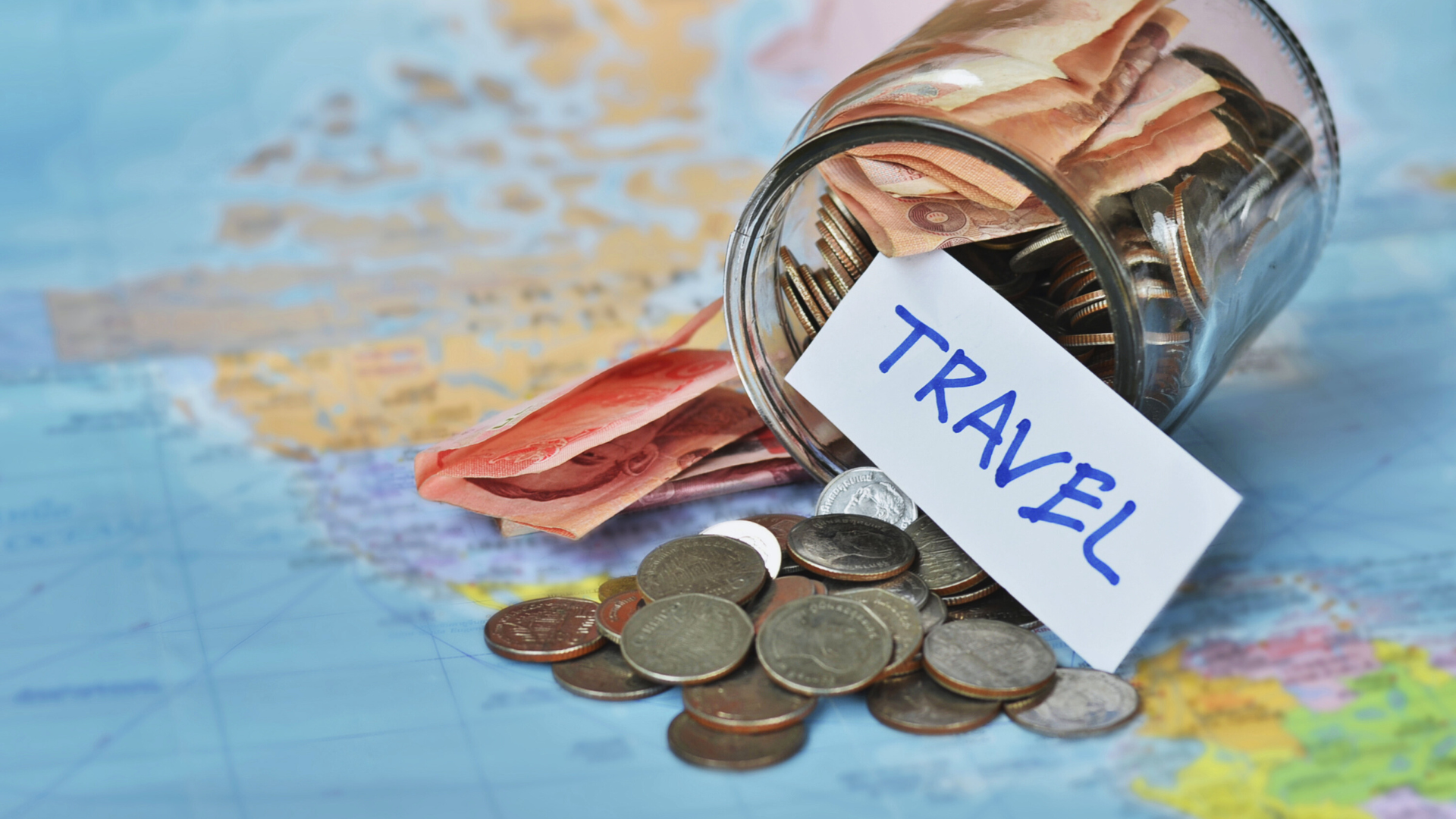
Traveling can be an exhilarating experience, offering new sights and cultures. Nevertheless, maintaining financial control while exploring new destinations is crucial. Sticking to a travel budget ensures travelers can enjoy their trip without the stress of overspending, leading to a more enjoyable and memorable adventure.
When travelers set a budget, they empower themselves to make informed choices about where to stay, what to eat, and which activities to pursue. This essential practice helps prevent the temptation of spontaneous purchases that can rapidly derail financial plans. Budgeting also encourages creativity, prompting travelers to seek unique local experiences that are often more rewarding.
Understanding the importance of a budget allows travelers to prioritize their spending effectively. By doing so, they can allocate funds toward experiences that truly matter to them, enhancing their overall journey.
Fundamentals Of Travel Budgeting
Effective travel budgeting is crucial for any trip. It involves defining financial limits, allocating resources wisely, and setting daily spending guidelines to ensure a pleasant experience without overspending.
Defining Your Travel Budget
Defining a travel budget starts with determining the total amount available for the trip. This figure should include all potential expenses, such as transportation, accommodation, and activities. Travelers should consider their savings, expected income during the trip, and any financial constraints.
A practical approach is to create a list of anticipated expenses. This can be structured as:
- Flights/Transport: $XXX
- Accommodation: $XXX
- Food: $XXX
- Activities: $XXX
- Miscellaneous: $XXX
By outlining these categories, one can estimate the overall budget accurately, making adjustments as necessary before embarking.
Allocating Funds Across Essential Categories
Once a total budget is established, it’s essential to allocate funds across various categories of expenses. This ensures that resources are available for each aspect of the trip.
For budget travelers, common allocations often include:
- Transport: 25-30%
- Accommodation: 30-35%
- Food: 20-25%
- Activities and Entertainment: 15%
Adjustments can be made based on personal preferences and destination costs. For instance, travelers headed to expensive cities might allocate more for accommodation, while those seeking budget travel options can focus on affordable lodging and local eateries.
Establishing Spending Limits And Daily Budgets
Setting spending limits helps prevent financial strain during a trip. Establishing a daily budget provides travelers with a clear framework for their expenses. A reasonable daily budget can be derived by dividing the total trip budget by the number of days planned for travel.
For example, if the trip budget is $2,000 for a 7-day trip, the daily budget would be approximately $286. Budget travelers can adjust this figure to prioritize certain experiences.
Travelers should also maintain a record of daily expenditures to ensure adherence to the budget. This can be achieved through apps or simple notebooks to track spending accurately.
Benefits Of Sticking To Your Travel Budget
Adhering to a travel budget has numerous advantages that enhance the overall travel experience. By managing finances wisely, travelers can enjoy their trips without the burden of financial stress. Emphasizing this discipline allows for memorable adventures while preparing for any unexpected situations.
Avoiding Financial Stress During Your Trip
Traveling can be a thrilling experience, but financial strain can diminish that joy. Sticking to a budget helps one maintain control over spending limits. When travelers allocate specific amounts for daily expenses, they minimize the risk of overspending.
By planning for miscellaneous expenses, like souvenirs or dining, travelers can relish their trip without worrying about breaking the bank. When funds are well-managed, the anxiety associated with running out of money decreases.
Creating a transparent budget fosters peace of mind, allowing travelers to focus on creating lasting memories. They can enjoy activities, local cuisine, and attractions without constantly checking their wallets.
Maximizing Unique Experiences Within Your Budget
Setting a travel budget opens doors to unique experiences. Travelers can prioritize spending on activities that align with their interests, whether it’s guided tours, cooking classes, or cultural events.
Budgeting allows for strategic decisions on where to allocate resources. For instance, one might choose to spend less on accommodations to afford an exclusive excursion. This balance enables richer experiences tailored to personal preferences.
Furthermore, travelers can research free or low-cost attractions, enhancing their itinerary without exceeding financial limits. Sticking to a budget encourages creativity in finding enjoyable activities that don’t require a hefty price tag.
Ensuring Funds For Emergencies And Unplanned Events
Maintaining a travel budget ensures preparedness for unexpected costs. Emergencies, such as medical needs or travel disruptions, can arise at any time. Travelers who allocate funds for unforeseen expenses benefit from greater security.
By including an emergency fund in their budget, they can deal with unexpected events without financial strain. This precaution allows for timely access to travel insurance coverage, providing peace of mind.
Furthermore, being financially prepared for unplanned events reduces stress during travel. It guarantees that even if things don’t go as planned, the traveler is equipped to handle any situation effectively.
Practical Strategies For Managing Travel Costs
Effective travel budgeting requires a strategic approach to expenses. From choosing accommodation wisely to selecting modes of transport and finding low-cost activities, each decision impacts the overall travel budget.
Selecting Affordable Accommodation
Travelers can significantly reduce accommodation costs by considering various options. Hostels offer shared rooms at a fraction of the price of hotels and often provide communal kitchens. For those seeking privacy, budget hotels or guesthouses can be a cost-effective alternative.
Couchsurfing is another option that allows travelers to stay with locals for free. It’s crucial to book in advance to secure the best rates and ensure availability. Using comparison websites helps in finding deals tailored to their budget, facilitating smarter choices.
Transportation Choices To Save Money
Transportation costs can quickly escalate during travel. Planning ahead by selecting local transport options instead of taxis can lead to savings. For city trips, public transport systems often provide economical solutions with daily or weekly passes that reduce per-trip expenses.
When traveling between destinations, booking train or bus tickets in advance often results in lower fares. Group tours may also offer discounts on transportation fees, especially when exploring multiple attractions. Flexibility in travel dates allows for adjustments that can seize cheaper transport options.
Finding Free Or Low-Cost Activities
Many destinations feature free or low-cost activities that enrich travel experiences. Local parks, public museums on specific days, and cultural festivals often provide entertainment without straining the budget. Researching free walking tours can unveil hidden gems within a city.
Utilizing apps and websites dedicated to local events can connect travelers with activities that align with their interests. Engaging with local communities through workshops or volunteer opportunities can also be fulfilling and cost-effective. These strategies help travelers stick to their daily travel budget while maximizing enjoyment.
Making The Most Of Your Travel Budget
Traveling doesn’t have to deplete savings when approached with smart strategies. Utilizing local resources and expert advice can enhance experiences while ensuring costs remain manageable.
Exploring Local Food And Culture On A Budget
Sampling local cuisine is a memorable part of any trip, particularly in regions like Southeast Asia. Street food offers delicious options at low prices, and markets often feature fresh, authentic dishes. Travelers should consider visiting local markets for not only food but also cultural insights.
Tips for enjoying local food:
- Eat where locals eat: Discover diners and cafes crowded with residents.
- Try dishes unique to the area: Regional specialties provide a genuine taste of local culture.
- Participate in cooking classes: This experience can be both educational and budget-friendly.
Timing Your Trip For Savings
Travelers can significantly lessen expenses by timing their trips strategically. Off-peak seasons typically present lower accommodation rates and fewer tourists. For example, visiting Southeast Asia outside of peak tourist months can result in substantial savings.
Key advantages of traveling during off-peak seasons include:
- Lower airfare: Tickets often drop in price when demand decreases.
- Greater availability: Fewer crowds allow for better access to attractions.
- Discounted accommodations: Hotels and hostels may offer lower rates and promotions.
Applying Expert Advice For Budget Travelers
Expert tips can help travelers maximize their budget without sacrificing enjoyment. Many experienced travelers recommend thorough research on destinations before departure. This preparation includes understanding local customs, finding budget-friendly attractions, and prioritizing must-see sights.
Useful expert recommendations include:
- Create a detailed budget: Plan daily expenses ahead of time to avoid overspending.
- Utilize public transport: Trains and buses can be more economical than taxis.
- Leverage travel apps: Budget tracking and meal planning apps can assist in maintaining financial discipline.